mental-health
A Good Day at Work
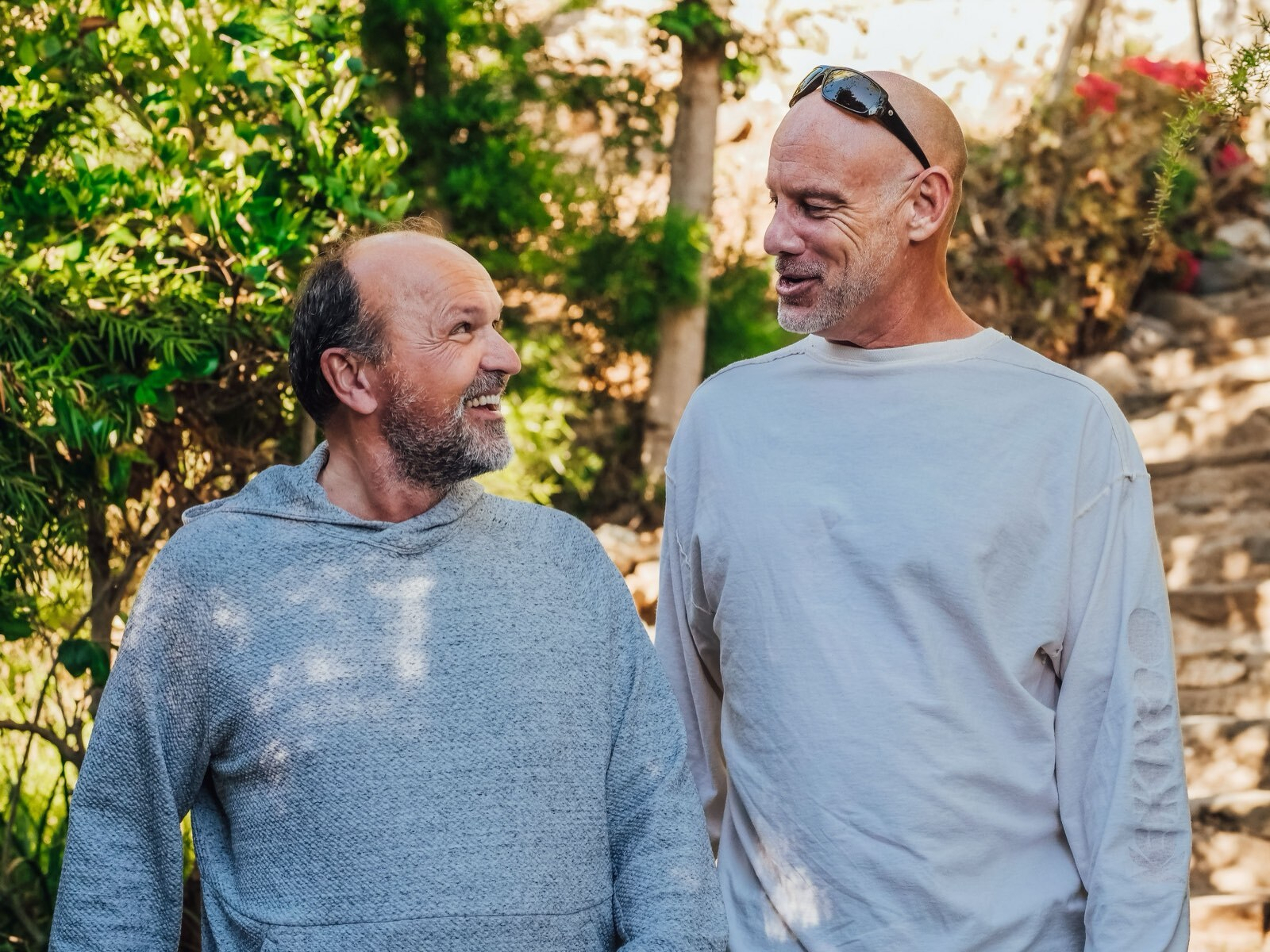 Photo by Kindel Media on Pexels
I love my job as a therapist. Listening to people’s stories, learning about mental illness, diagnosing a problem, and developing a plan are all interesting. What really drives me is making a difference in the lives of my patients: helping them recover from hurts and challenges and be happier and healthier. Sometimes that involves helping them develop a new life skill or learn something that helps them manage their situation better. Other times it is simply listening to them and communicating concern for their wellbeing — that I care about them.
Another aspect of my work that is fulfilling is helping my coworkers. Sometimes I am part of a team working together on a project. Other times I mentor a newer coworker. I often provide consultation to primary care providers and nurses.
I have worked in the same healthcare system for the past 20 years. There have been many changes, but the same parts of the work still hold. Like many in healthcare, I feel like it is much faster paced now, and our staff are always asked to do more with less — more patients seen with fewer team members.
That faster pace has left fewer moments to connect with coworkers informally. I still do it, because I find it essential both to my job satisfaction and to what we are actually there to do, but I have to be intentional about it. Those connections don’t happen as easily as they did ten years ago.
I am grateful for the ones I had today. Two coworkers and I interviewed several potential new team members. Most of our time together was task oriented, but we also had some time to socialize and support each other. I needed that, and I want to make more space for it — for me and for the people I work with.
When I got home this evening, I spent a while looking at family photos. The ones I keep coming back to are the casual shots of my daughters in elementary school and as teenagers. Those are special memories, and I hold them fondly.
Connection at work, memories at home. It was a good day.
An Unwanted Pause

For most of the past six years, I managed to avoid COVID. Friends got it. Family members got it. At a certain point I started to wonder whether I might be one of the lucky ones who simply slipped past the thing. Then, in the last week of March, it finally caught up with me.
The virus itself was rough — fatigue, fever, the particular kind of body ache that makes getting up for a glass of water feel like a negotiation. The harder part, for me, was what it did to my asthma. My lungs tend to be the first thing to complain in any respiratory illness, and COVID lit them up. I ended up out of work for a full week, which is not something I take lightly.
Somewhere in the middle of that week, lying in bed longer than I would ever lie in bed by choice, I started to notice something. I was thinking. Not the anxious, distracted thinking of a normal busy day, but the slower kind — the kind I usually don’t make room for. When the ordinary machinery of life shuts down, you can finally hear what’s been running underneath it.
What I heard, mostly, was a quiet set of questions about my own health. I have known for a while that my sleep has been inconsistent. I have known that my nutrition could be better. I have known, as a guy with a replaced hip and a genetic connective-tissue condition, that my body needs more intentional care than the bodies of people who have never had to think about collagen. I knew all of this. I just hadn’t done much about it.
COVID made me sit still long enough to stop pretending otherwise.
As a psychologist, I spend a lot of my professional life talking with people about behavioral change. I know the science. I know the stages. And I know — because I’ve seen it in my patients and I’ve felt it in myself — that insight alone does not produce change. You can understand yourself beautifully and still do nothing differently.
So once I started feeling better, I decided to do some things differently. I’m getting more sleep, guarding my evenings and letting my phone rest before I do. I’m paying closer attention to what I eat — more protein, more vegetables, fewer of the snacks I had been reaching for without really deciding to. And I’ve started an actual exercise program, something more structured than the vague intention to “walk more” that I’d been carrying around for a year.
The deeper reset, though, was not really about food or exercise. It was about re-centering on what I actually value: faith, my marriage, my daughters, my work, the people I walk alongside at church. My health is not separable from any of those things. It is the body in which I love my wife, raise my daughters, sit with patients, and pray with my church family. Neglecting it is, in a quiet way, neglecting them.
Behavioral change is hard. It’s hard for my patients, it’s hard for me, it’s hard for everyone. The goal isn’t to stop finding it hard; the goal is to keep going anyway, and to be honest about where you fall short.
I would not have chosen COVID. If someone had offered me a week of fever and wheezing in exchange for a few new habits, I would have politely declined and picked up a self-help book instead. But I’m not in charge of the curriculum. The illness came, and with it came a window I hadn’t been wise enough to open on my own. I’m grateful for what I saw through it — and hopeful that the changes I made will outlast the memory of how it felt.