An Unwanted Pause
For most of the past six years, I managed to avoid COVID. Friends got it. Family members got it. At a certain point I started to wonder whether I might be one of the lucky ones who simply slipped past the thing. Then, in the last week of March, it finally caught up with me.
The virus itself was rough — fatigue, fever, the particular kind of body ache that makes getting up for a glass of water feel like a negotiation. The harder part, for me, was what it did to my asthma. My lungs tend to be the first thing to complain in any respiratory illness, and COVID lit them up. I ended up out of work for a full week, which is not something I take lightly.
Somewhere in the middle of that week, lying in bed longer than I would ever lie in bed by choice, I started to notice something. I was thinking. Not the anxious, distracted thinking of a normal busy day, but the slower kind — the kind I usually don’t make room for. When the ordinary machinery of life shuts down, you can finally hear what’s been running underneath it.
What I heard, mostly, was a quiet set of questions about my own health. I have known for a while that my sleep has been inconsistent. I have known that my nutrition could be better. I have known, as a guy with a replaced hip and a genetic connective-tissue condition, that my body needs more intentional care than the bodies of people who have never had to think about collagen. I knew all of this. I just hadn’t done much about it.
COVID made me sit still long enough to stop pretending otherwise.
As a psychologist, I spend a lot of my professional life talking with people about behavioral change. I know the science. I know the stages. And I know — because I’ve seen it in my patients and I’ve felt it in myself — that insight alone does not produce change. You can understand yourself beautifully and still do nothing differently.
So once I started feeling better, I decided to do some things differently. I’m getting more sleep, guarding my evenings and letting my phone rest before I do. I’m paying closer attention to what I eat — more protein, more vegetables, fewer of the snacks I had been reaching for without really deciding to. And I’ve started an actual exercise program, something more structured than the vague intention to “walk more” that I’d been carrying around for a year.
The deeper reset, though, was not really about food or exercise. It was about re-centering on what I actually value: faith, my marriage, my daughters, my work, the people I walk alongside at church. My health is not separable from any of those things. It is the body in which I love my wife, raise my daughters, sit with patients, and pray with my church family. Neglecting it is, in a quiet way, neglecting them.
Behavioral change is hard. It’s hard for my patients, it’s hard for me, it’s hard for everyone. The goal isn’t to stop finding it hard; the goal is to keep going anyway, and to be honest about where you fall short.
I would not have chosen COVID. If someone had offered me a week of fever and wheezing in exchange for a few new habits, I would have politely declined and picked up a self-help book instead. But I’m not in charge of the curriculum. The illness came, and with it came a window I hadn’t been wise enough to open on my own. I’m grateful for what I saw through it — and hopeful that the changes I made will outlast the memory of how it felt.
Bicycling
In 2024, I bought my first ebike. Before committing, I did a lot of research — but ultimately decided I needed to actually ride one before buying. I have joint problems, so fit wasn’t just a preference; it was a requirement.
I ended up choosing a Pedego. It’s on the pricier side, but it’s genuinely comfortable and suits me well. The staff at my local Pedego dealer were great — they helped me find the right model, the Interceptor, and I’ve been bringing it back to them for annual service ever since.
The weather is finally turning, and I managed to get out for a short ride today. After a sedentary winter, it’s going to take a little time to find my legs again — but it’s a start.
Obsidian
I’m transitioning to Obsidian for most of my writing tasks. It handles a wide range of writing well, and it may be best-in-class when it comes to linking ideas together.
One thing I appreciate is that Obsidian can publish directly to my blog, which means fewer tools to juggle. Notes I write for posts can also double as reference material for future projects — everything lives in one place. And when I need to extend its functionality, there’s a plugin for that. I’m currently using Micro.publish to post to my micro.blog account.
The learning curve is real, but so far it’s been worth it. One thing that gives me peace of mind: all Obsidian files are plain text, so if I ever decide to move on, taking my notes with me will be easy.
Mom and Dad’s Birthdays
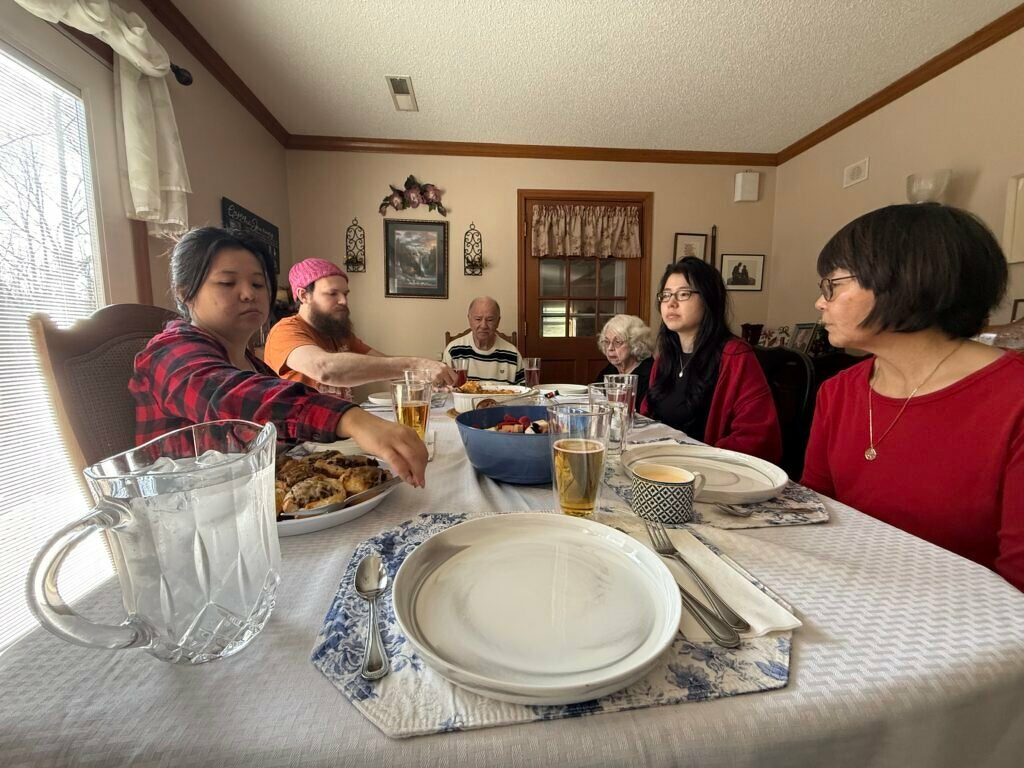
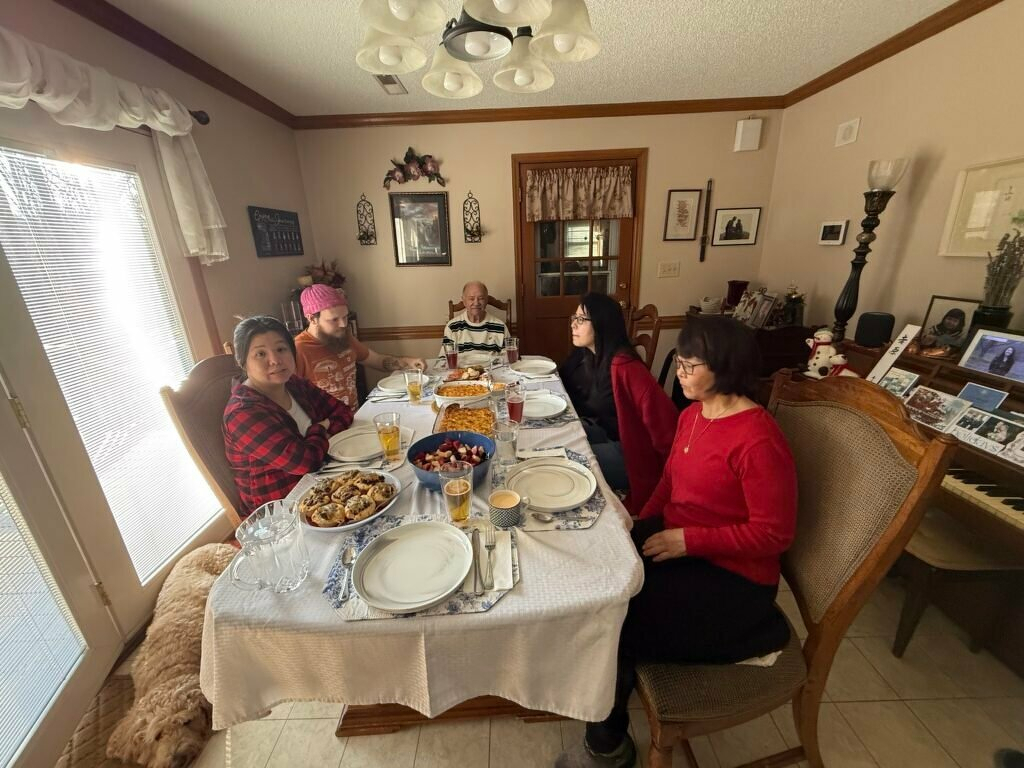
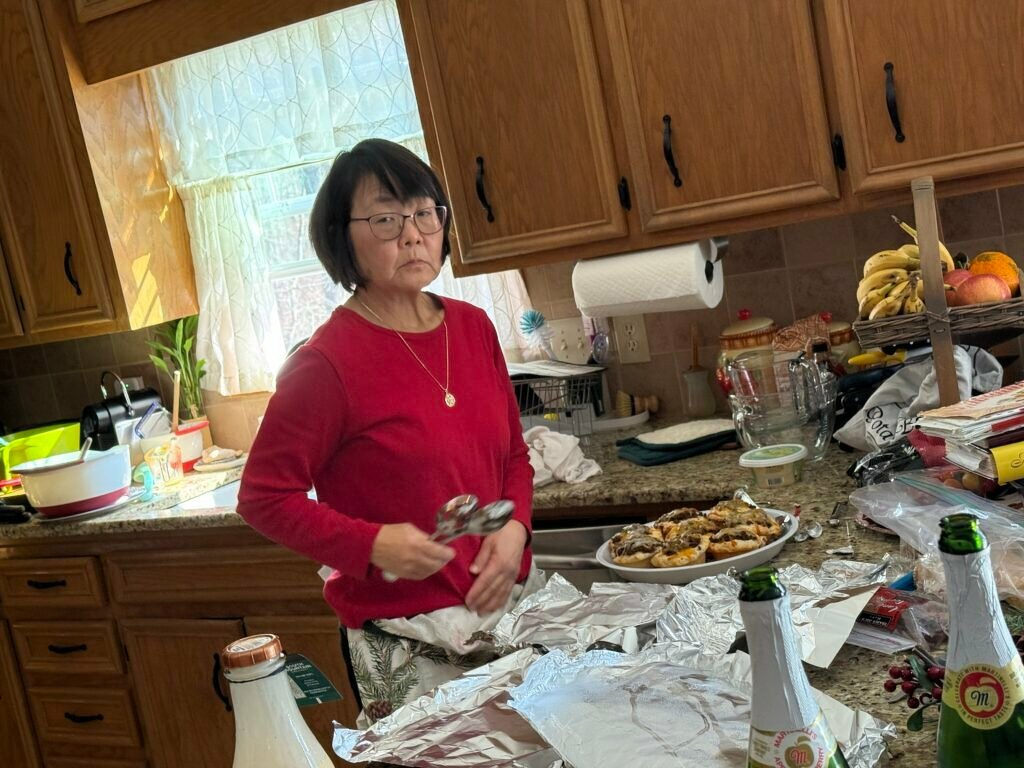
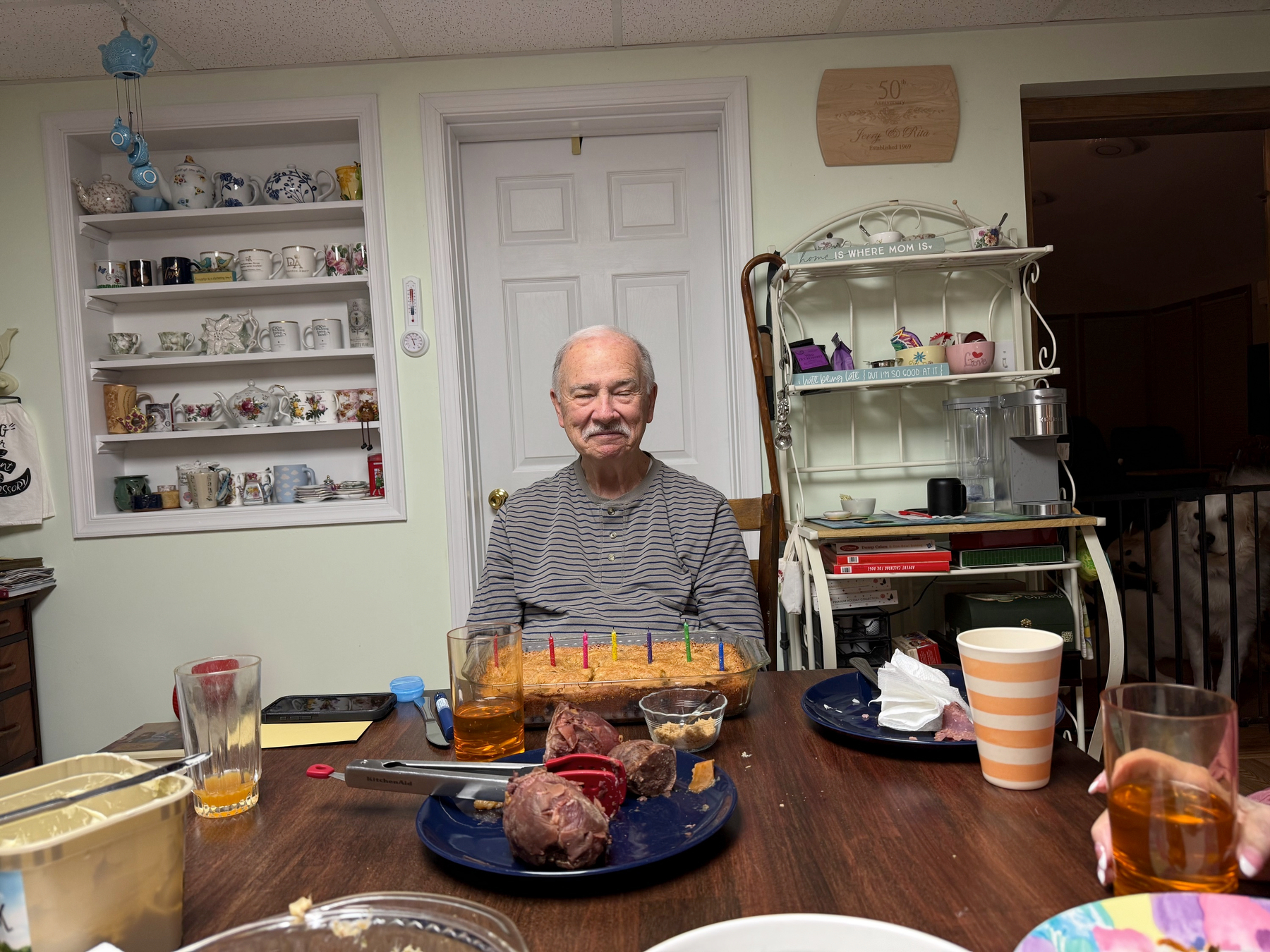
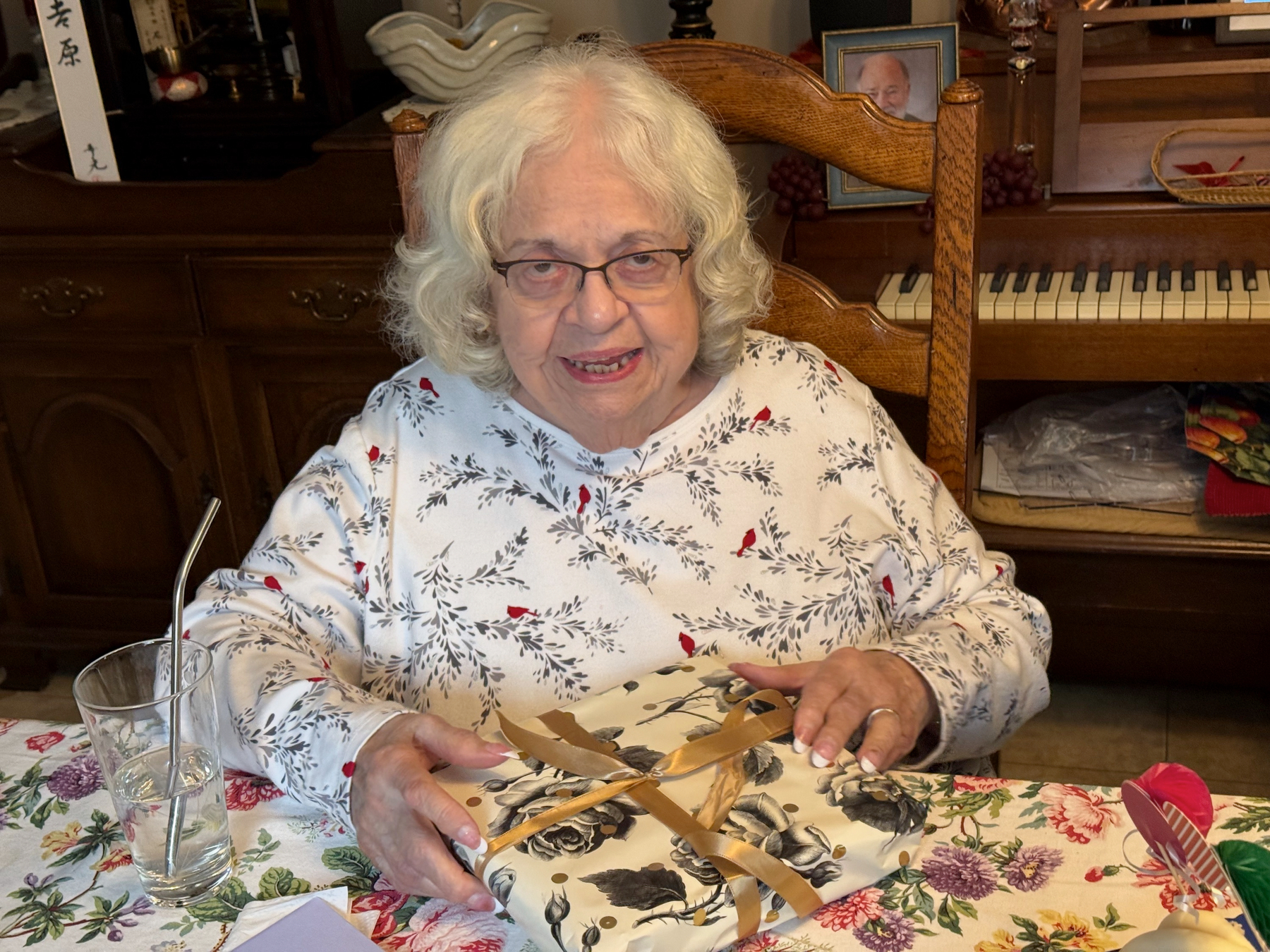
My dad’s birthday is on February 1st and my mom’s birthday is on March 1st. We enjoyed celebrating their birthdays again this year (a month apart).
Working and taking classes is challenging. I’m always impressed by non-traditional students who manage to work, raise children, and complete their degrees. Taking classes outside my profession has made me appreciate the work and sacrifices of non-traditional students.
I use both mastodon and micro.blog for personal blogging. I still have not learned to coordinate them both — just dabbling a little with each of them.
If you use both services, how have you coordinated them? Do you find synergy in using them both?
It is a cold and icy day. It is a good day to be indoors.
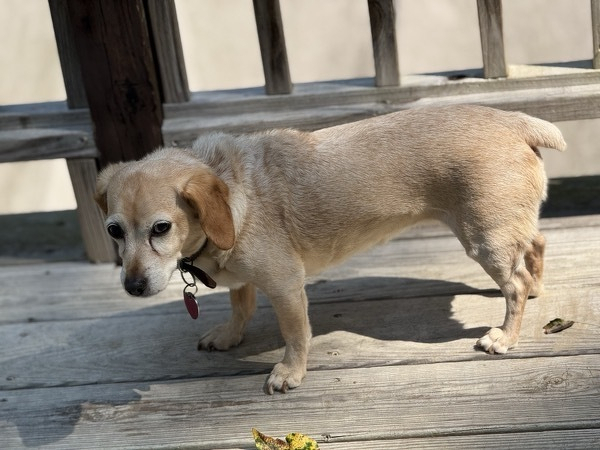
This is Lux, our 13-year-old beagle-dachshund mix. She is a rescue dog and is a very sweet dog.
Merry Christmas 2025
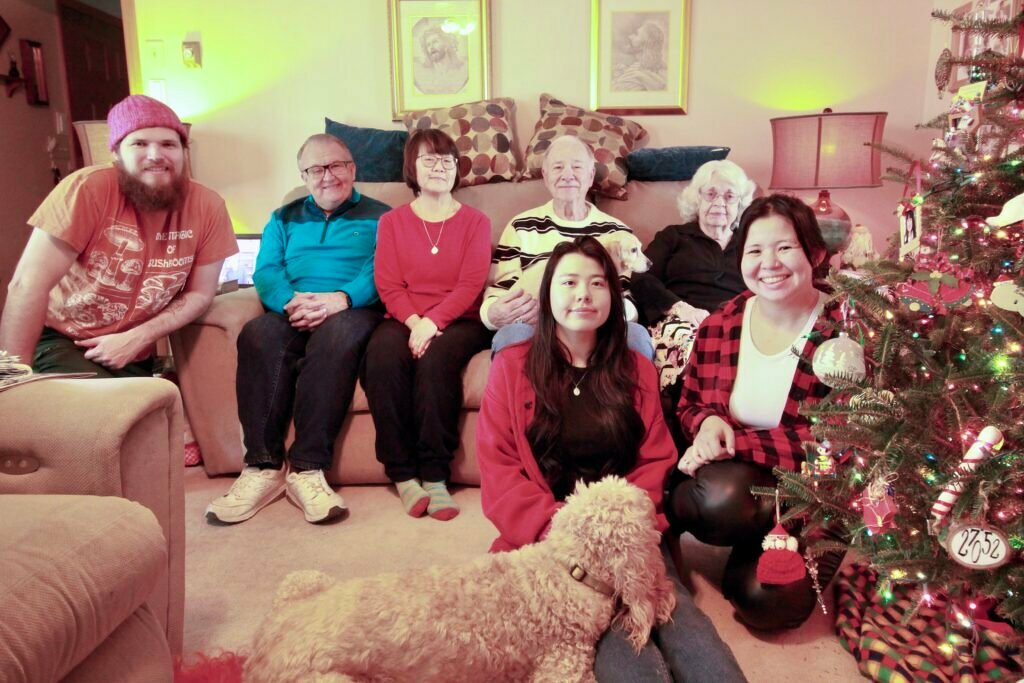
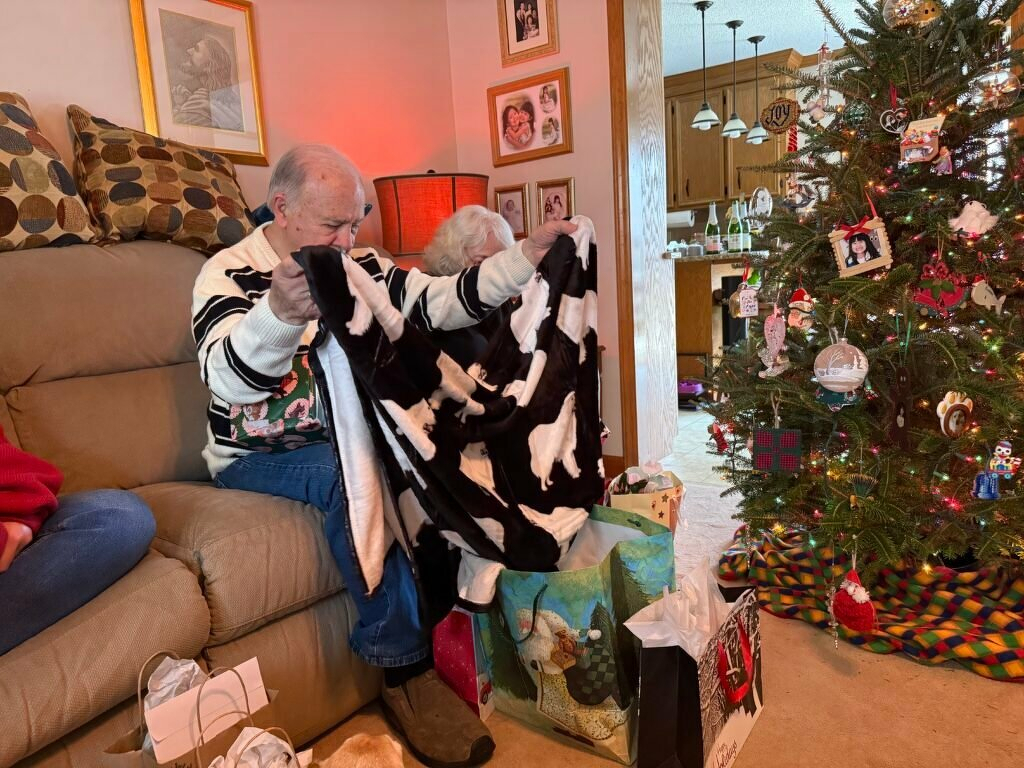
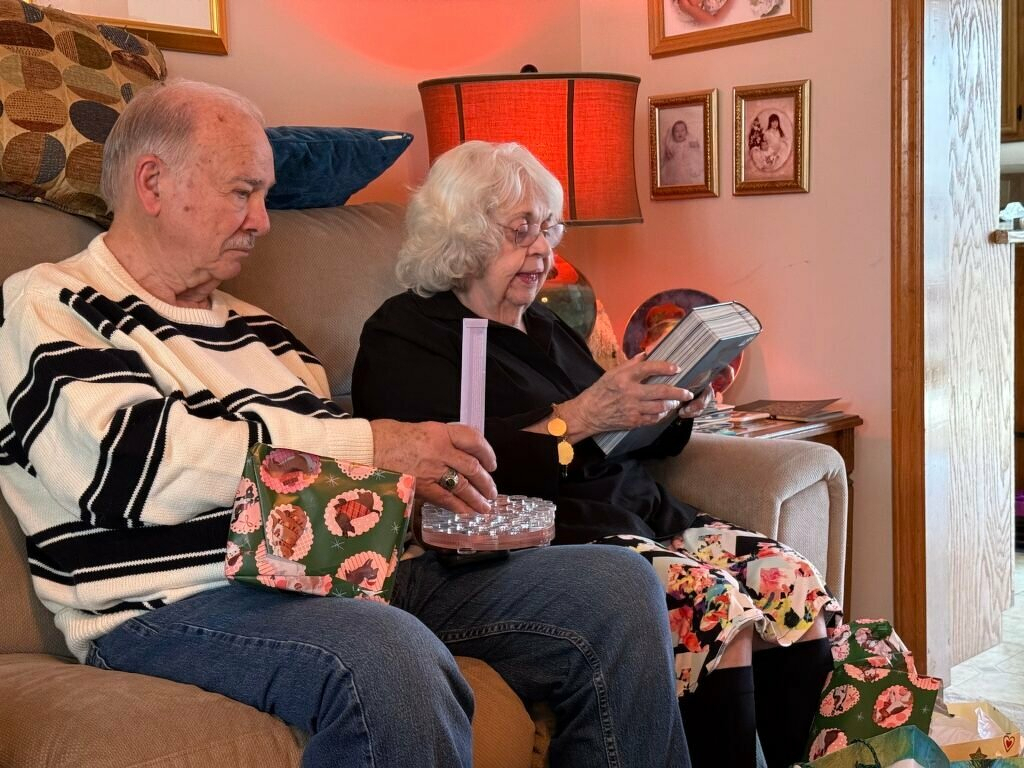
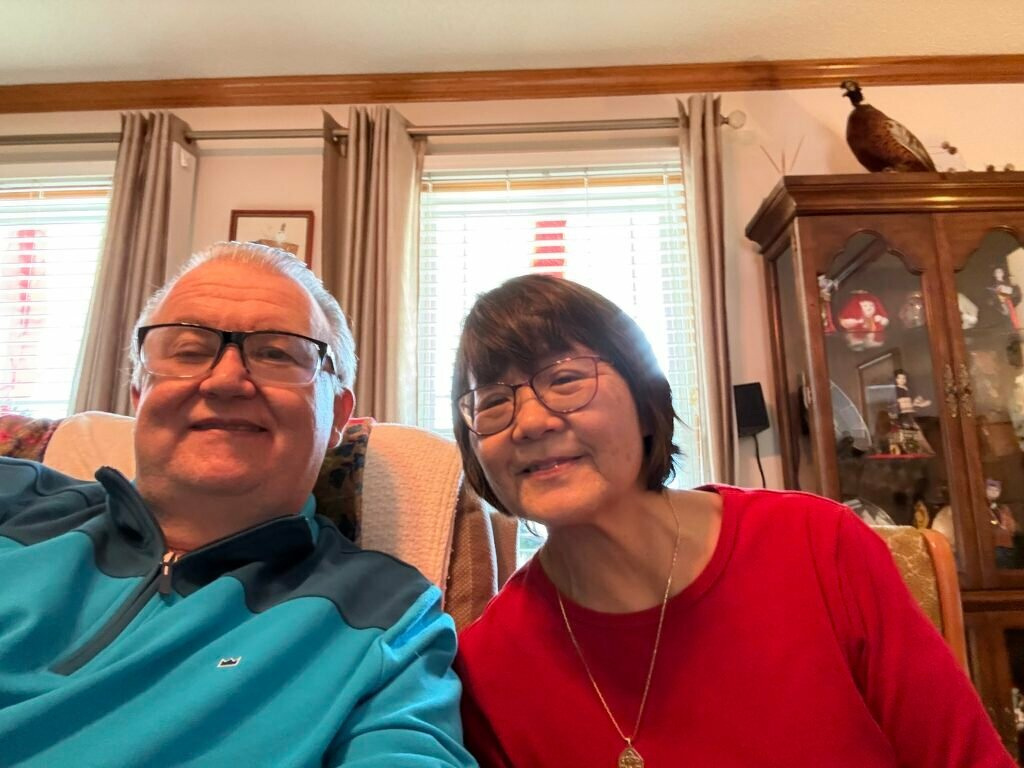
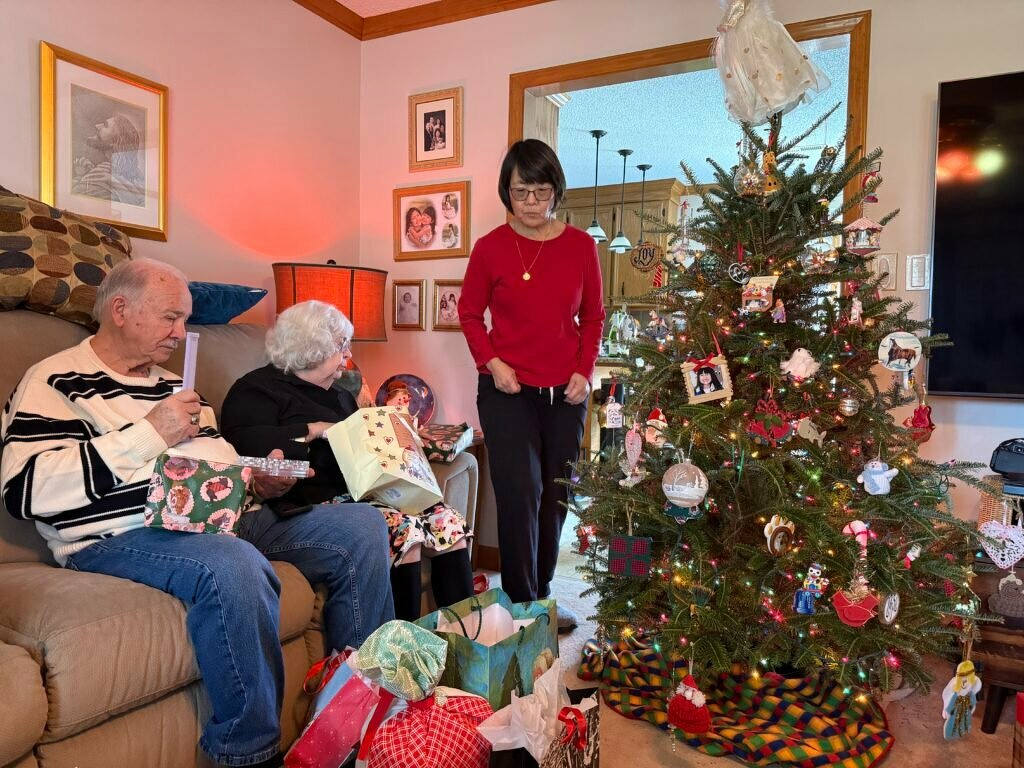
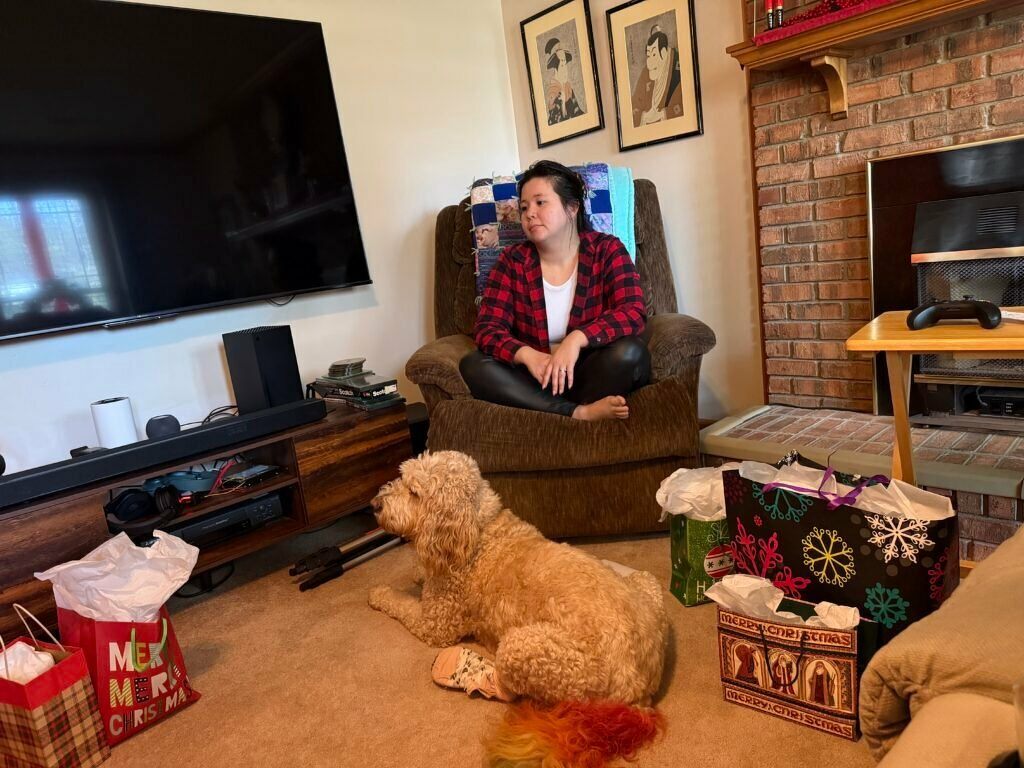
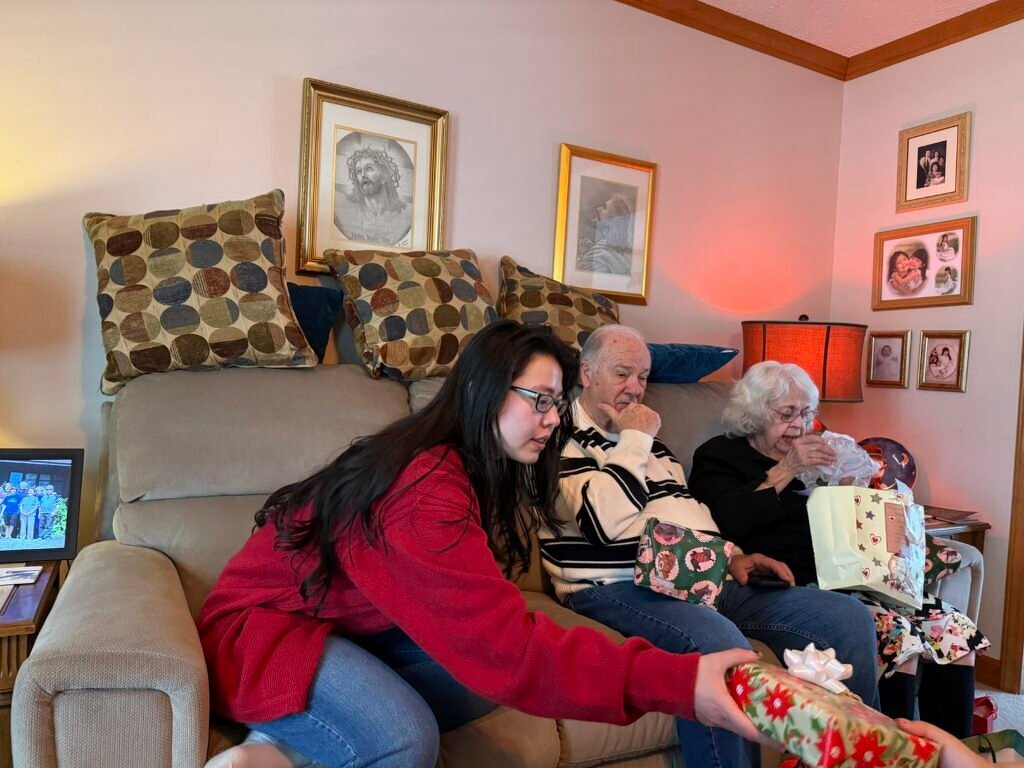
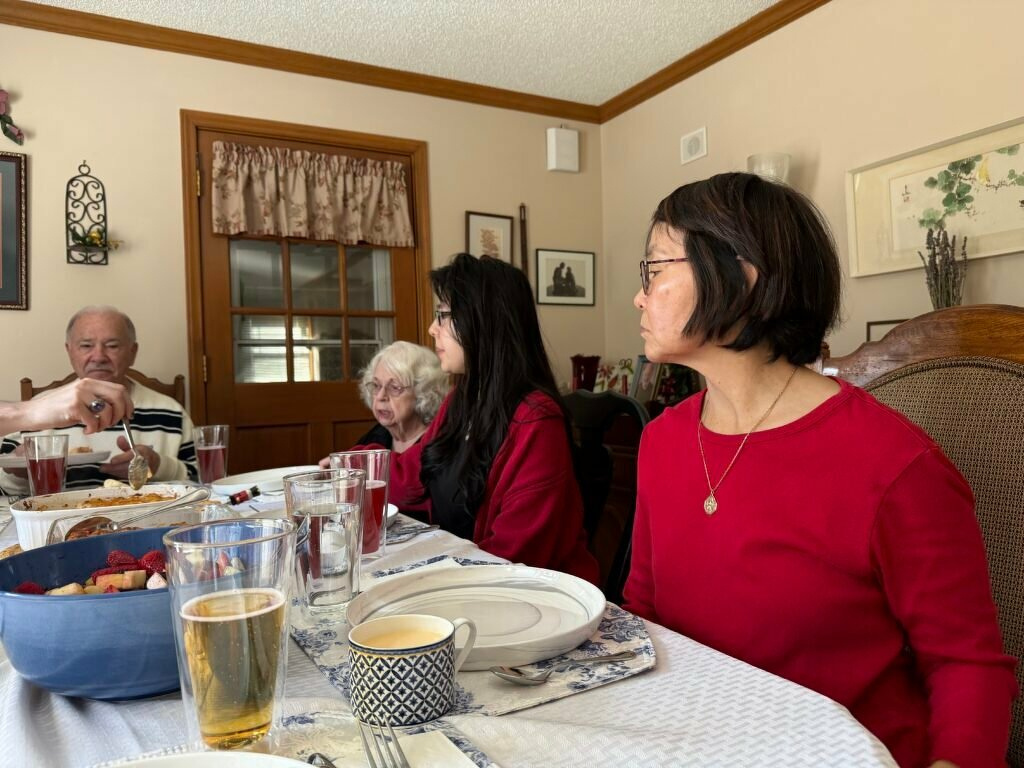
I am grateful for another Christmas with my family. We enjoyed the Christmas Eve service at Kernersville Wesleyan Church. It was a candlelight service and included Christmas Carols. My parents and Emily went with Julie and me. Julie fixed a wonderful meal for our family on Christmas Day. Here are some pictures of our family.